
nexframe:~$ uptime online, worldwide latest: 2D renderer in C · contact
NFnexframe_
Game-dev, from the metal up

Engine deep-dives,
one command at a time.

A journal for developers who would rather write the renderer than import it. No frameworks hand-waved, no magic left unexplained — just the code, the profiler, and the reasoning behind both.

27 deep-dives shipped 3 learning tracks C · Rust · GLSL
Amber phosphor text glowing on a retro CRT monitor in a dark room
tail -f /var/log/nexframe

Latest deep-dives

Long-form, follow-along walkthroughs. Every article ships the code it describes and the profiler numbers that justify it.

  1. Building a Custom 2D Renderer in C: From Pixels to Sprites

    Start with a raw framebuffer and end with batched, textured sprites. Blitting, clipping, alpha, and why a draw-call budget matters before you draw anything.

    #c #graphics #software-rendering
  2. Hot-Reloading Game Code: How to Iterate Without Restarting the Game

    Split your game into a reloadable shared library, keep state in a plain struct the host owns, and watch the file — iterate on gameplay while the world keeps running.

    #tooling #c #iteration-speed
  3. Deterministic Physics for Multiplayer Games, Step by Step

    Fixed timesteps, integer or fixed-point math, and a strict update order — the recipe for a simulation that produces the same result on every machine, every time.

    #physics #netcode #determinism
ls tracks/

Learning tracks

Series that build on each other. Read them front to back, or jump to the piece you're stuck on.

Colorful C source code with syntax highlighting on a dark screen track/01

Write Your Own Engine

Nine parts from an empty main() to a small, shippable 2D engine: window and input, a software then hardware renderer, an entity store, the fixed-step loop, and hot-reload wired through all of it. The spine of the journal.

9 parts · C / SDL · beginner→intermediate
track/02

Tools & Pipeline

Asset importers, a hot-reloading resource system, a tiny custom binary format, and a build that stays under a second.

6 parts · C / Python
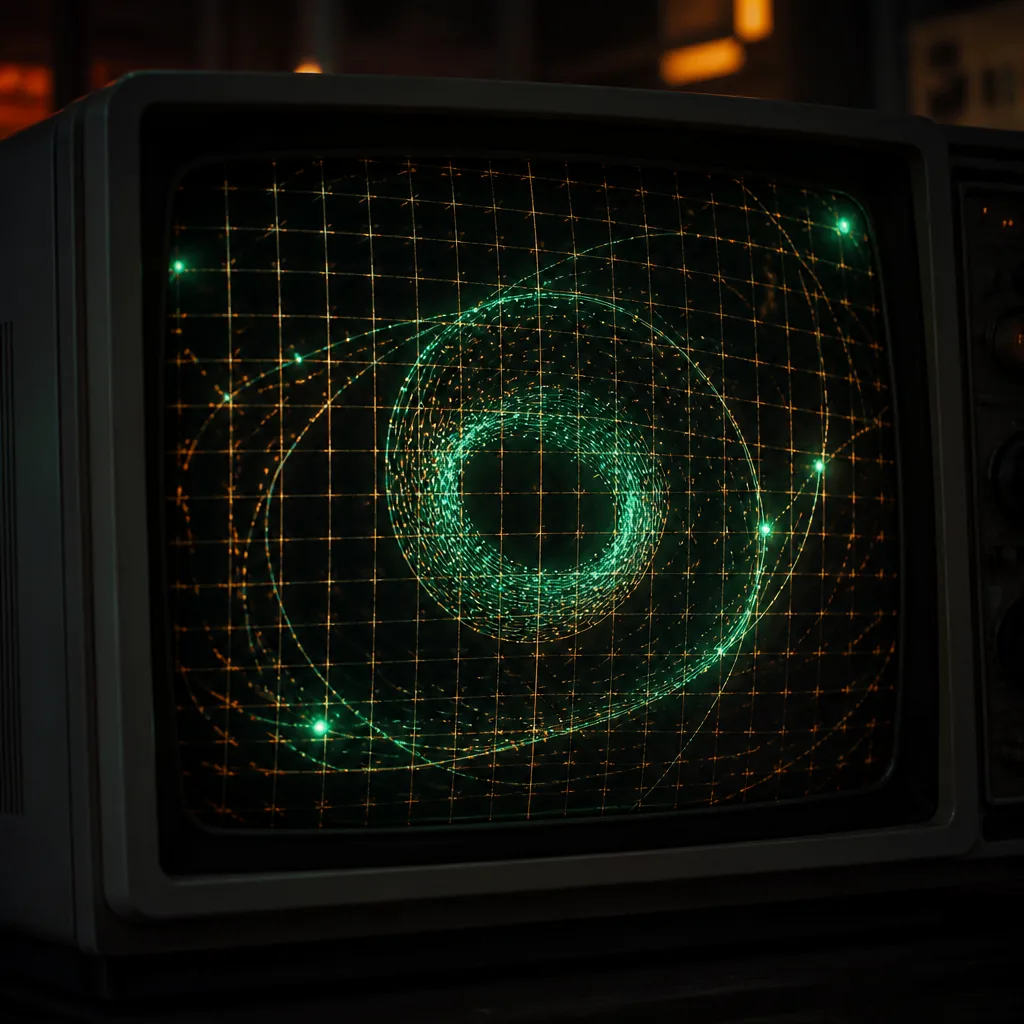
Glowing amber vector grid and green particle trajectories on near-black — a deterministic fixed-timestep simulation track/03

Netcode & Simulation

Deterministic lockstep, rollback, and the debugging habits that keep two clients in perfect sync.

5 parts · Rust
Green collision shapes and amber contact points resolving over a dark grid — a 2D physics solver mid-step track/04

Physics & Collision

Broadphase, the separating-axis test, and an impulse solver that stays stable at 240Hz without exploding on the first stacked crate.

7 parts · C++ · intermediate
Split editor with a live-reloading game window, amber diff markers streaming down the side track/05

Debugging & Profiling

Frame captures, a homegrown flamegraph, and the tracing hooks that turn "it feels slow" into a number you can actually chase down.

4 parts · C / any engine
// sample lesson — track 01, part 3

Read a real lesson before you buy

Here's an unedited excerpt from the engine track: the moment a raw pixel buffer becomes something you can actually draw into. The workshop version adds SIMD-blitting and a live debugger, but the plain C is enough to get a triangle on screen tonight.

  • Every lesson opens with the problem and the profiler cost of getting it wrong.
  • Code blocks are copy-paste runnable — no elided "// rest of the owl".
  • The live workshop covers the same material with your questions in the room.
Glowing green and amber wireframe geometry with streaming particle data-flow on near-black — the renderer's output
// frame 000241 — batched sprites, one draw call

Read the full renderer log

framebuffer.render
Glowing amber and green wireframe of a 3D render emerging from a pixel-grid framebuffer, CRT scanlines and cascading data streams on near-black
// pixels → framebuffer → the first triangle on screen
Developer working late by the glow of a monitor in a dark room
~/dev · 02:14 · still debugging
whoami

Written by one engineer, not a content team

I'm Théo, a systems and gameplay programmer working remotely. I've spent a decade shipping engine code — some of it good, plenty of it rewritten — and Nexframe is where I write down what actually held up in production.

No sponsored takes, no listicles. If a technique made it into the journal, I've run it in a real project and profiled it. When I get something wrong, the article gets a dated correction note instead of a quiet edit.

10 yrsshipping engines
27deep-dives
1author, no filler

// signed-off-by: Théo Renard, nexframe.live

Ship It: Engine Deep-Dives

Get the bundle

The downloadable guide plus a hands-on online workshop. Payment is arranged after you send the form — nothing is charged on this page.

core

Ship It Bundle

$59 / one-time

The ebook and a seat in the next live workshop. Everything you need to build the renderer end to end.

  • Ship It ebook (PDF + EPUB), lifetime updates
  • Seat in one live online workshop
  • Full source for the sample engine
  • Workshop recording, yours to keep
  • Full membership tutorial track
  • Private code-review office hours
Get the bundle · $59
best value

Bundle + Membership

$108 / one-time

The full bundle plus the complete tutorial track and membership — every track, present and future, and time with me.

  • Everything in the Ship It Bundle
  • Full membership: all three tracks unlocked
  • Every future track, no extra charge
  • Monthly private code-review office hours
  • Members-only build-log archive
  • Priority answers in the workshop Q&A
Get bundle + membership · $108
Comparison of the two bundle plans
What you getShip It · $59+ Membership · $108
Ship It ebook + updatesyesyes
Live workshop seat1 session1 session
Workshop recordingyesyes
All three learning tracksnoyes
Future tracks includednoyes
Code-review office hoursnomonthly
subscribe --digest weekly

The build log, in your inbox

One email when a new deep-dive lands, plus the occasional stray profiler screenshot. No drip funnels, unsubscribe in one click.

We store your address only to send the digest. See the privacy note.

man nexframe

Questions, answered plainly

Do I need to know C already?

You need to be comfortable reading it — pointers, structs, and a build system. The engine track assumes you can compile a hello-world; it does not assume you've written graphics code. If C is brand new, start with the first two parts, which move slowly on purpose.

What exactly is in the bundle?

The Ship It ebook in PDF and EPUB, the full source for the sample engine, and a seat in the next live online workshop with its recording. The Bundle + Membership tier adds every learning track and monthly code-review office hours.

How and when is the workshop run?

Live online, roughly monthly, at a time picked to work across Europe and the Americas. You pick a date after you order. Can't attend live? The recording is yours regardless.

How do I pay?

You don't pay on the site. Send the order form and we email you an invoice with a payment link within one working day. We never collect card details through this form.

What if the material isn't for me?

There's a 14-day refund on the bundle, no interrogation required — details on the refund page. The articles themselves stay free to read, always.

./order --bundle

Reserve your bundle

Fill this in and we'll email your invoice and workshop dates. No payment is taken here.

  • reply within 1 working day
  • invoice + payment link by email
  • pick your workshop date next
  • 14-day refund window

By sending this you agree to our terms and privacy note.